Through Contemplative Labs, Dr. Vago provides consulting services offered to the digital health and wellbeing industry that are uniquely positioned at the intersection of neuroscience, innovation, and mental health technology. Here’s a breakdown of key areas where Dr. Vago’s expertise adds value:

Transforming Digital Health Through Neuroscience, Integrative Health, and Innovation
Why Work with Dr. Vago?
Dr. David Vago, a cognitive and behavioral neuroscientist, has an academic pedigree from UBC, Vanderbilt, Harvard, and Cornell, over 20 years of experience conducting research in the field of Mindfulness, Integrative Medicine, and Neuropsychiatry, and >5 years in digital health consulting. He is a thought leader with some of the most cited research in this area, has conducted the reviews and meta-analyses sponsored by the largest NIH grants in this field that provided insights into which metrics and outcomes are the best for measuring transformative health outcomes – from self-awareness to self-transcendence. His work leverages scientific insights and evidence-based practices to enhance whole-person health, fostering user engagement and tracking well-being progress with actionable insights.

CLIENTS

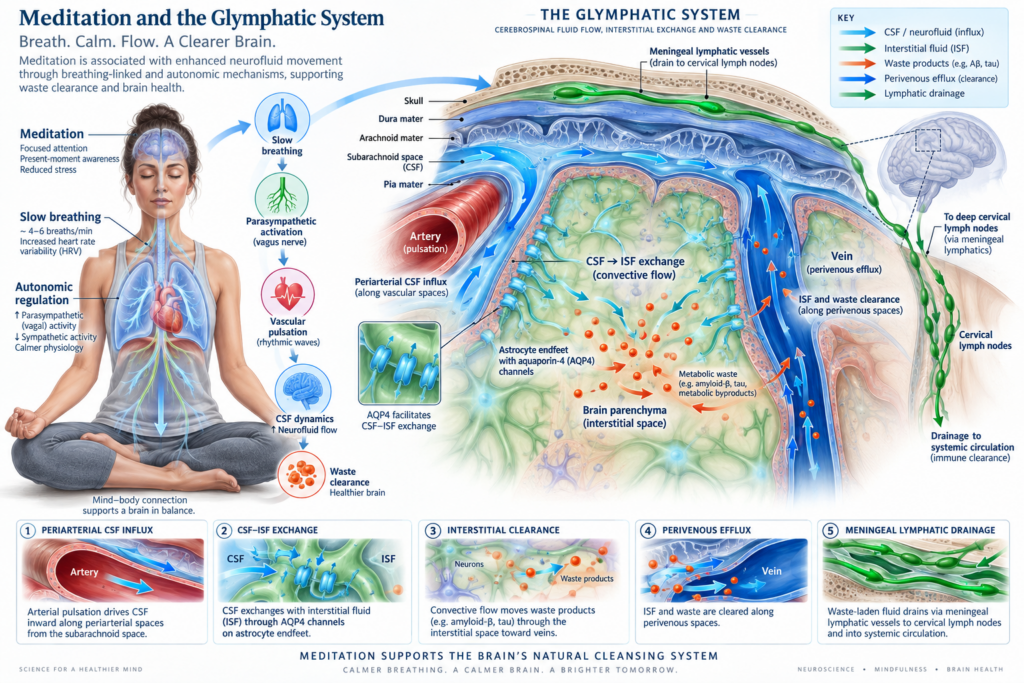
Meditation and the Brain’s Waste-Clearance System
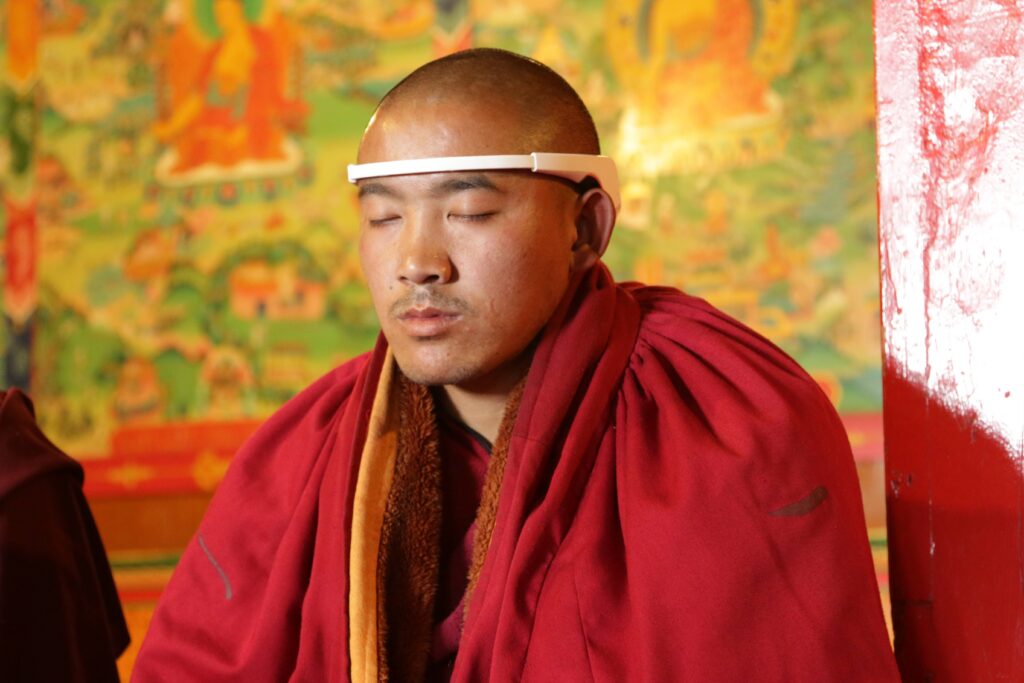
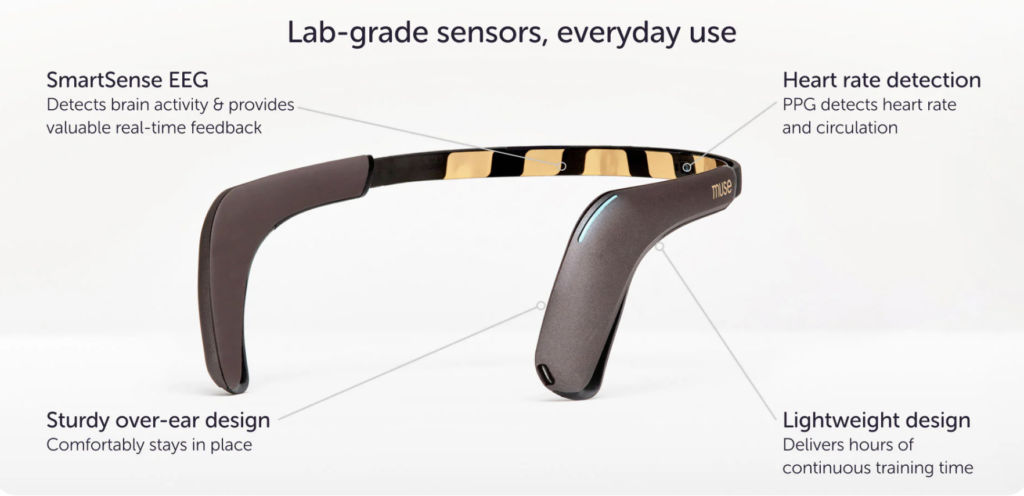
My research program includes a growing focus on how contemplative practice shapes the brain’s neurofluid dynamics: the circulation of cerebrospinal fluid that clears metabolic waste and supports long-term brain health. In collaboration with Manus J. Donahue, PhD, Professor of Neurology and Assistant Vice Chair for Research at Vanderbilt University Medical Center, we investigated whether focused-attention mindfulness meditation and paced breathing could modulate this “glymphatic” system in ways that parallel sleep. Using phase-contrast and BOLD MRI in adept meditators, we found that shifting from mind wandering into focused-attention meditation reduced turbulent, backward (“regurgitant”) cerebrospinal fluid flow through the cerebral aqueduct while strengthening slow-frequency fluid oscillations near the brainstem — a pattern that moves in the opposite direction from aging and neurodegeneration and resembles the restorative fluid dynamics of sleep. These findings, published in the Proceedings of the National Academy of Sciences, suggest that meditation may offer a nonpharmacological, waking pathway to support the brain’s own cleaning processes — with potential relevance for long-term brain health and resilience against conditions like Alzheimer’s disease.


Dark Caves combines ancient darkness practices with modern neuroscience, biometric science, and evidence-based approaches to nervous system regulation and human optimization.
Somatic guidance, immersive darkness, and intentional integration — designed to help the nervous system slow down, recalibrate, and reconnect from the inside out.


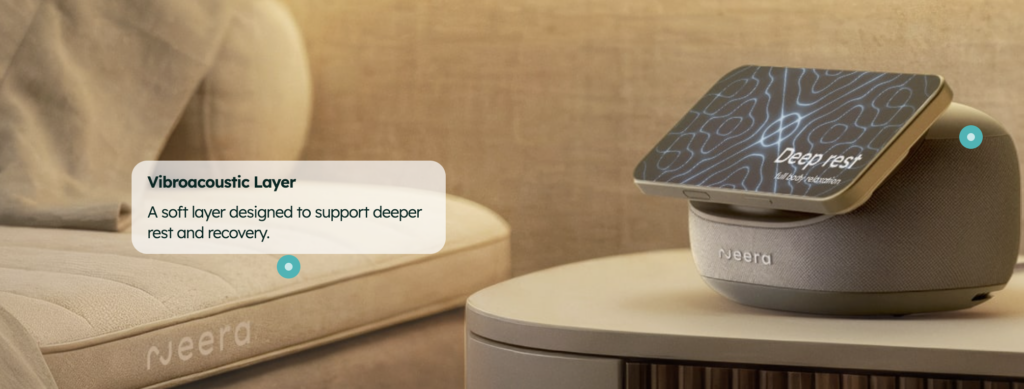
A bed-integrated system for delivering customized vibroacoustic sound for restorative sleep, elevated consciousness, and states of deep relaxation.